











 Start a live chat
 1-800-870-4800

Among the many molecules that quietly shape the rhythm of life, Taurine occupies a unique space. Neither a vitamin nor a traditional amino acid, Taurine stands apart—simple, subtle, and ever-present. Its name evokes energy, but its true nature is steadier: a molecular presence woven into the tissues, fluids, and quiet functions of the body.

A Name from Nature
Taurine was first isolated in the 19th century from ox bile, leading to its name—Taurine, from taurus, Latin for bull. Despite this dramatic origin, the compound itself is gentle in appearance: a clear, crystalline powder with no scent and a mild taste. It is naturally found in many animals and humans alike, especially in tissues like the brain, eyes, heart, and muscles.
Though often associated with bold branding and fast-paced culture, Taurine’s story is more enduring than explosive.
A Structure that Stabilizes
Chemically, Taurine is an amino sulfonic acid. Unlike standard amino acids, it doesn’t contribute to protein building. Instead, it plays other roles—regulating fluids, stabilizing membranes, and interacting with bile salts.
Its structure is small and unobtrusive: a sulfonic acid group on one end, an amino group on the other. This duality provides flexibility in how it moves and interacts within biological systems. In many ways, Taurine is a mediator—a molecule that helps balance and modulate.
Taurine in Supplements: A Quiet Constant
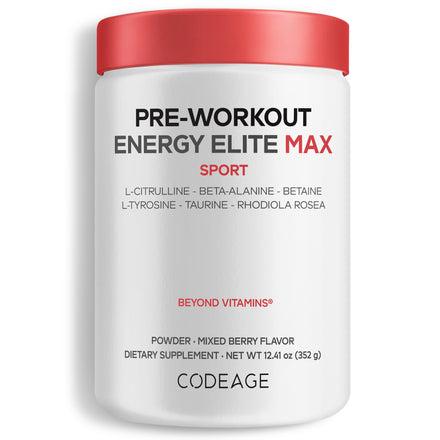
Taurine appears in a wide range of supplements, from individual capsules to complex blends. It’s often featured in pre-workout formulas, hydration blends, or minimalist stacks.
Whether combined with electrolytes, amino acids, creatine, or standalone in vegan-friendly formats, Taurine’s inclusion typically reflects thoughtful formulation. It is odorless, dissolves easily, and remains stable—an ideal companion for complex formulas or single-ingredient purists.

A Title with Stillness
The name Taurine has become familiar across disciplines. While it once conjured images of its bovine origin, it now simply belongs to the world of elemental compounds. In supplement form, it typically appears as “Taurine”—no prefixes, no extra markings—just the name, as is.
Subtle Highlights and Molecular Notes
-
Non-Protein Amino Acid: Though often classified alongside amino acids, Taurine does not build proteins—its role is more regulatory.
-
Present in the Body: Taurine is naturally found in high concentrations in key tissues like the retina, heart, and central nervous system.
-
Found in Food: Animal-based foods like meat and seafood are natural sources of Taurine, while plant-based diets contain little to none.
-
Minimalist Profile: In supplements, Taurine is typically offered without flavoring or fillers—just pure white powder or capsules.

A Molecule in the Background
Taurine is not a headline. It doesn’t call attention to itself. Instead, it operates quietly—balancing fluids, supporting membranes, moving through the body with understated importance. It is often present where there is movement: in the beating of the heart, the firing of neurons, the contraction of muscles.
Its journey is not about excess, but about refinement. A molecule that doesn’t need complexity to be complete.
As always, talk to your doctor before taking any supplements. Get professional advice if you think you might need any taurine supplement or are already taking one to ensure you're not exceeding the amounts you may need.


