






 Start a live chat
 1-800-870-4800

Collagen and glutathione are two ingredients that frequently appear in beauty and wellness conversations. While they are very different in structure and origin, both have become widely included in nutrition and skincare routines. This article explores what they are, where they come from, and how they are commonly used.
What is Glutathione?
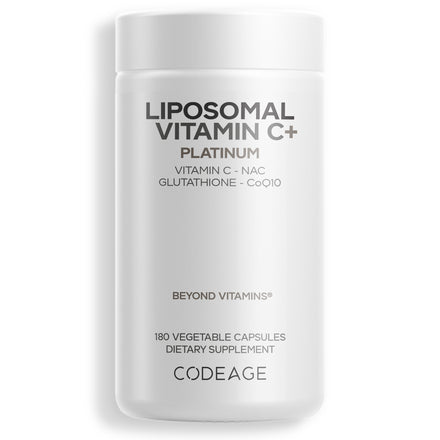
Glutathione is a compound naturally produced in the body. It consists of three amino acids: cysteine, glutamate, and glycine, and is found in most cells. Glutathione has been widely studied in scientific and nutritional settings and is often referenced in discussions around antioxidants and internal balance.*
Glutathione levels in the body can vary based on a number of factors, including age, environment, and diet. It is also present in small amounts in certain foods, particularly those rich in sulfur. Examples include:
- Spinach
- Avocados
- Asparagus
- Broccoli
Some individuals choose to incorporate glutathione into their wellness routines through foods or supplements, depending on personal preference and nutritional approach.

What is Collagen?
Collagen is a protein that exists naturally in the body and is especially abundant in connective tissues. It is commonly associated with areas such as skin, joints, hair, and nails, and is produced by the body using amino acids.
There are multiple types of collagen, each with its own role in the body’s structure. Over time, the body’s natural production of collagen may vary, and this has contributed to the popularity of collagen-rich foods and supplements.
Dietary sources of collagen include:
- Poultry and fish
- Bone broth or connective tissue-rich cuts of meat
- Collagen peptides or powders, which are often hydrolyzed for solubility
These sources contain amino acids such as glycine and proline, which are commonly discussed in the context of collagen-related nutrition.
How Are They Used Together?
Though they have different functions, glutathione and collagen are sometimes included together in wellness routines. Collagen offers a source of structural proteins, while glutathione is known for its presence in antioxidant-focused discussions.*
Both compounds are associated with amino acid pathways, and this shared foundation has contributed to their combined inclusion in certain nutrition or beauty-focused products.
Many individuals looking to build a more intentional routine around botanical or protein-based nutrients may encounter both glutathione and collagen in supplement formats, especially those associated with “from within” wellness strategies.

Beauty From Within
As with many nutrients, both collagen and glutathione can be found in whole foods. A balanced diet that includes protein-rich and antioxidant-containing foods may naturally support the body’s own processes. Some people choose to supplement these nutrients as part of their broader wellness strategy.
Whether you're interested in skin support, maintaining a healthy appearance, or overall vitality, incorporating nutrients like collagen and glutathione may complement your approach.*
As always, talk to your doctor before taking any collagen or glutathione supplements. Get professional advice if you think you might need any supplement or are already taking one to ensure you’re not exceeding the amounts you may need.


